Understanding Self-Catering Accommodation Benefits
- Jo Burns
- Apr 28
- 4 min read

When I plan a trip to a peaceful, nature-filled place like the Okavango Delta, I look for a stay that lets me relax and connect with the surroundings. Self-catering accommodation offers just that. It gives me freedom and comfort. I can enjoy my time without rushing or sticking to strict meal times. This style of lodging suits nature lovers, bird watchers, and fishing enthusiasts perfectly. It lets me live at my own pace while surrounded by Botswana’s beautiful wilderness.
What Are the Self-Catering Accommodation Benefits?
Self-catering accommodation benefits go beyond just having a place to sleep. They offer flexibility and independence. I can prepare my own meals, which is great when I want to eat fresh local produce or stick to my diet. It also saves money because I don’t have to eat out all the time.
Here are some key benefits I appreciate:
Privacy and space: I get a whole unit or house to myself, not just a room.
Kitchen facilities: I can cook breakfast, lunch, or dinner whenever I want.
Cost-effective: Cooking my own meals reduces food expenses.
Comfort: I feel at home with all the amenities I need.
Flexibility: No fixed meal times or restaurant hours to follow.
For example, after a morning of bird watching, I can return to my accommodation and prepare a fresh meal with ingredients bought from a local market. This makes the experience more personal and enjoyable.
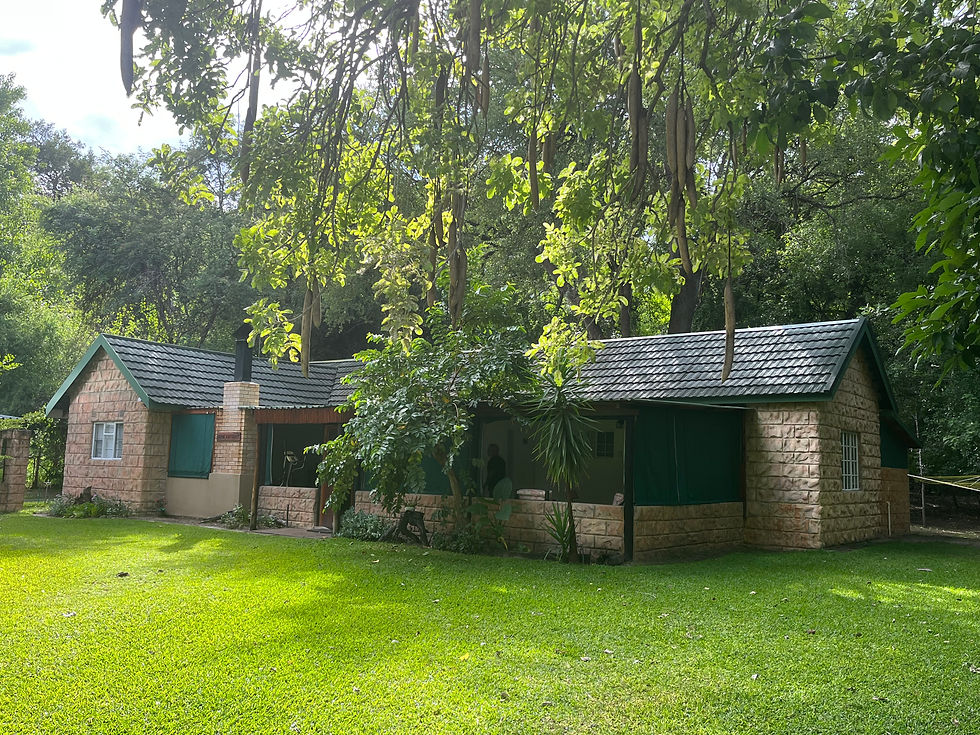
If you wonder what is self catering accommodation, it means a place where guests have access to a kitchen or cooking area. Guests take care of their own meals instead of relying on hotel restaurants or meal plans. This type of accommodation can be a cabin, cottage, apartment, or house. It suits travelers who want to explore nature but still enjoy the comforts of home.
Self-catering is ideal for those who want to spend long days outdoors and return to a quiet, private space. It allows me to plan my day without worrying about meal schedules. I can pack snacks for a fishing trip or prepare a hearty dinner after a day of hiking.
What's the Difference Between Room Only and Self-Catering?
Understanding the difference between room only and self-catering is important when booking accommodation. Room only means you get a bedroom and bathroom but no kitchen facilities. You rely on restaurants or cafes for your meals. This can be limiting if you want to eat at odd hours or prefer cooking your own food.
Self-catering, on the other hand, includes a kitchen or kitchenette. You can buy groceries and cook your own meals. This suits people who want more control over their diet and schedule. It also works well for longer stays where eating out every day is not practical.
For example, if I stay in a room only place, I might have to eat breakfast early or late depending on the restaurant hours. With self-catering, I can make tea and toast whenever I want. This small difference makes a big impact on how relaxed I feel during my trip.
How to Choose the Right Self-Catering Accommodation
Choosing the right self-catering accommodation depends on your needs and preferences. Here are some tips I follow:
Check the kitchen facilities: Make sure the kitchen has the basics like a stove, fridge, and utensils.
Look for privacy: A standalone unit or cottage is better for peace and quiet.
Consider location: Stay close to nature spots you want to explore, like bird hides or fishing areas.
Read reviews: See what other guests say about cleanliness and comfort.
Check amenities: Look for extras like a braai (barbecue) area or outdoor seating.
For nature lovers, a self-catering lodge near the Okavango Delta offers the perfect base. You can cook your own meals and then step outside to watch birds or fish in the nearby waters.
Tips for Making the Most of Your Self-Catering Stay
To enjoy your self-catering accommodation fully, I recommend these practical tips:
Plan your meals: Bring a list of easy recipes and local ingredients to try.
Pack essentials: Don’t forget spices, cooking oil, and snacks.
Shop locally: Visit markets for fresh produce and support local vendors.
Keep it simple: Use one-pot meals or salads to save time and clean-up.
Enjoy the outdoors: Use outdoor spaces for meals or relaxing after a day of exploring.
By cooking your own meals, you can eat healthily and save money. Plus, you get to experience local flavors in your own way. This makes your stay more personal and memorable.

Why Self-Catering Works for Nature Enthusiasts
Self-catering accommodation fits perfectly with a nature-focused trip. It gives you the freedom to spend your days outdoors without worrying about meal times. After a morning of bird watching or fishing, you can return to your lodge and prepare a meal at your own pace.
This style of stay also means you can pack a lunch for your day trips. You don’t have to rely on finding a restaurant in remote areas. It helps you stay connected to nature and enjoy the peaceful surroundings.
In the Okavango Delta, self-catering lets you unwind fully. You can enjoy the sounds of the wilderness while cooking or relaxing on your porch. It’s a simple way to feel at home in a wild place.
Choosing self-catering accommodation means choosing freedom, comfort, and connection with nature. It suits those who want to explore the outdoors and return to a peaceful, private space. With the right planning, it can make your trip to the Okavango Delta truly special.


Comments